


Mazor Hosts Leading Physicians
Learning and in-depth discussion with leaders in Israeli medicine
A series of professional meetings in which the Mazor team hosts senior physicians to deepen its clinical knowledge, explore developments in medicine and discuss the challenges involved in supporting patients. These insights and direct relationships with specialists help the team offer informed guidance and attentive support to patients and their families.
Dr. Ahmed Naama
Director of Emergency Medicine, Hadassah Ein Kerem
Decisions in real time, with the person in mind
Read the summary and view photosClose meeting summary
Dr. Ahmed Naama
Director of Emergency Medicine, Hadassah Ein Kerem
Decisions in real time, with the person in mind
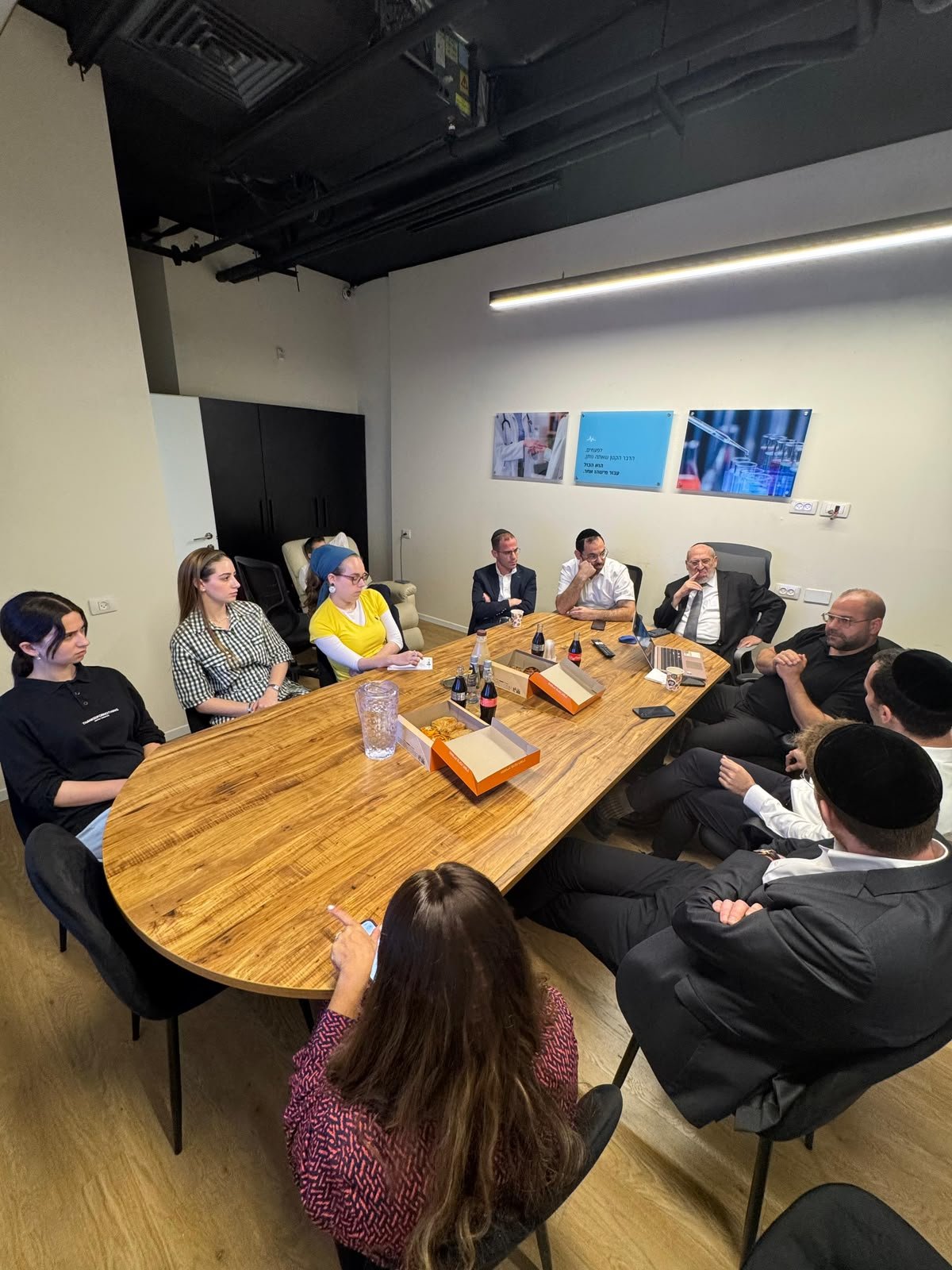
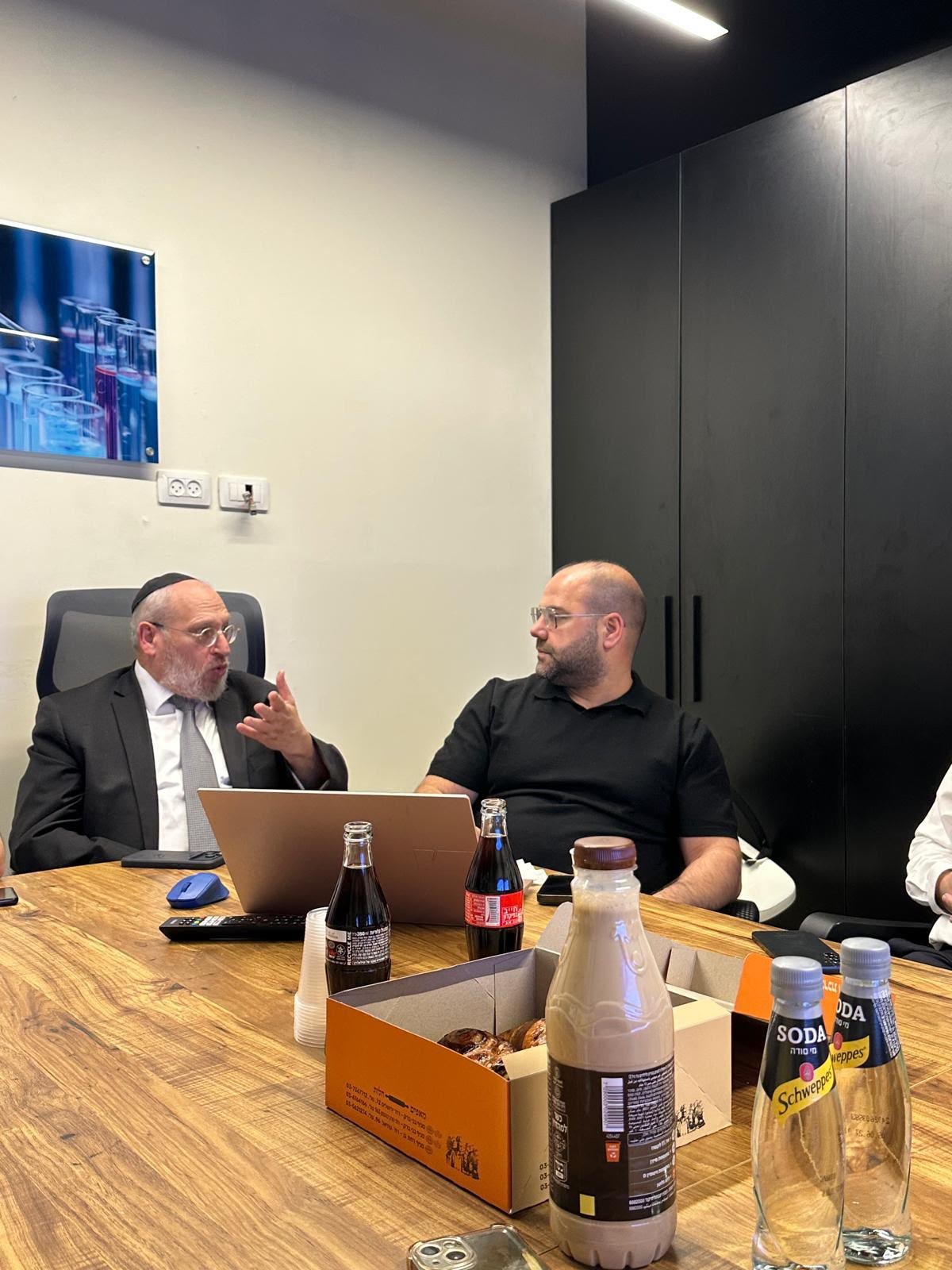
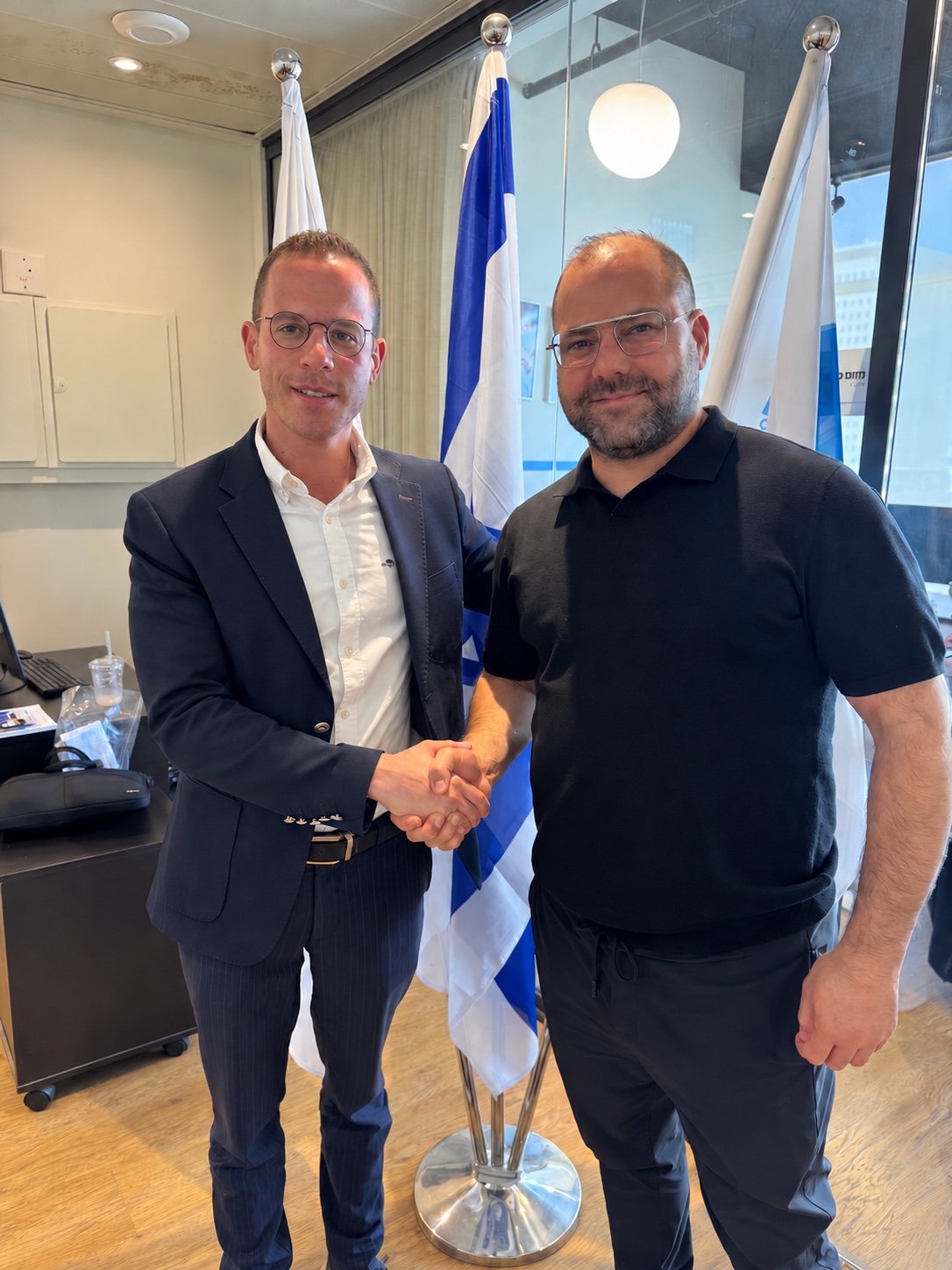
Read the summary and view photosClose meeting summaryAs part of Mazor Grand Rounds, the Mazor team hosted Dr. Ahmed Naama, Director of the Department of Emergency Medicine at Hadassah Ein Kerem, for a discussion on decision-making, managing demand and treating medical emergencies. Dr. Naama completed his specialty training in emergency medicine at Hadassah and further training in emergency medicine, trauma and ultrasound at the Royal Melbourne Hospital in Australia. Alongside his clinical and leadership responsibilities, he is involved in training residents and medical students, caring for patients with complex conditions and medical simulation.
From the first moments in the emergency department
The discussion began with triage: rapidly assessing the urgency of care and prioritizing patients according to their medical condition. We explored how patients move through the department, from arrival and initial assessment to laboratory tests, imaging and decisions about admission or discharge. Particular attention was given to identifying delays and coordinating with inpatient departments, while protecting patient safety and providing clear explanations to patients and their families, even during busy periods.
Responding quickly to life-threatening conditions
Another part of the meeting focused on preparedness for mass-casualty incidents, complex trauma and the emergency department’s role during major emergencies. We discussed the importance of drills, clear responsibilities and collaboration between emergency, trauma, operating-room and intensive-care teams. We also considered the early recognition of conditions such as stroke, heart attack and sepsis, and the coordination needed to arrange appropriate assessment and treatment without unnecessary delay.
Diagnosis at the bedside
Our discussion of innovation focused on tools that provide timely information, including point-of-care ultrasound (POCUS), monitoring and rapid tests when appropriate. We explored how these tools complement clinical assessment and help guide further investigations. We also discussed the potential for artificial intelligence to assist with detecting deterioration and documenting care, alongside the need to establish reliability, protect patient privacy and retain clinical judgment and responsibility within the treating team.
The people behind the care
Alongside technology and organization, we considered the physical and emotional demands placed on doctors, nurses and other staff. The conversation covered staff retention, ongoing training, mutual support and reducing burnout. It connected working conditions with the team’s ability to provide skilled, attentive care, explain decisions and communicate with families facing worry and uncertainty.
Continuity of care starts before the emergency department
We also discussed collaboration with community physicians and urgent-care services, and directing patients to the appropriate setting according to the urgency of their condition. When preparing for discharge, the emphasis was on clear information, understandable instructions and coordinated follow-up. For the Mazor team, the meeting deepened its understanding of emergency care and clarified its role in supporting families, bringing medical information together and helping maintain continuity throughout the patient’s care.
From the meeting
Select a photo to view it in full.
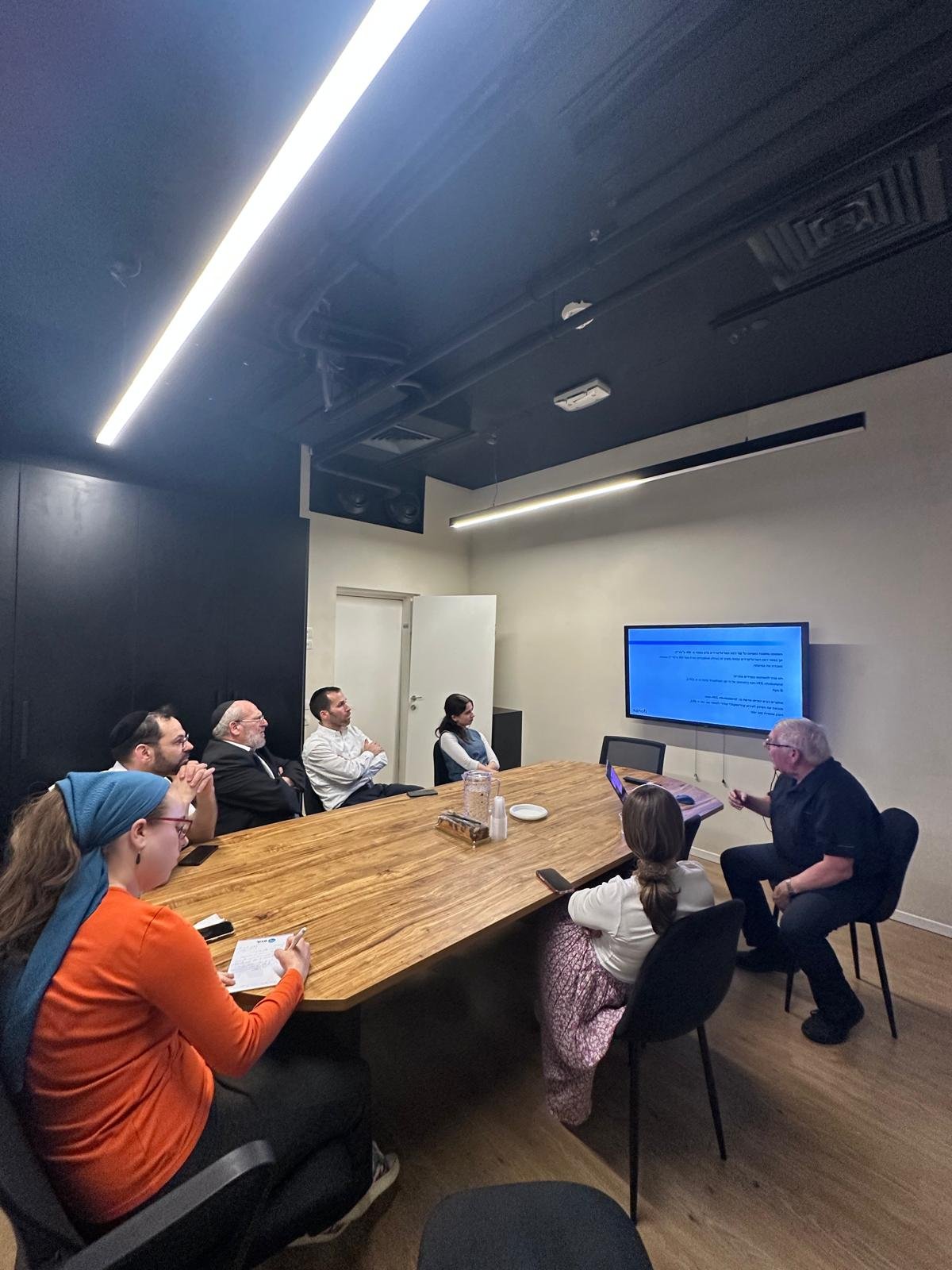
Prof. Avishay Elis
Director of Internal Medicine C, Beilinson Hospital
Seeing the patient’s whole picture
Read the summary and view photosClose meeting summary
Prof. Avishay Elis
Director of Internal Medicine C, Beilinson Hospital
Seeing the patient’s whole picture
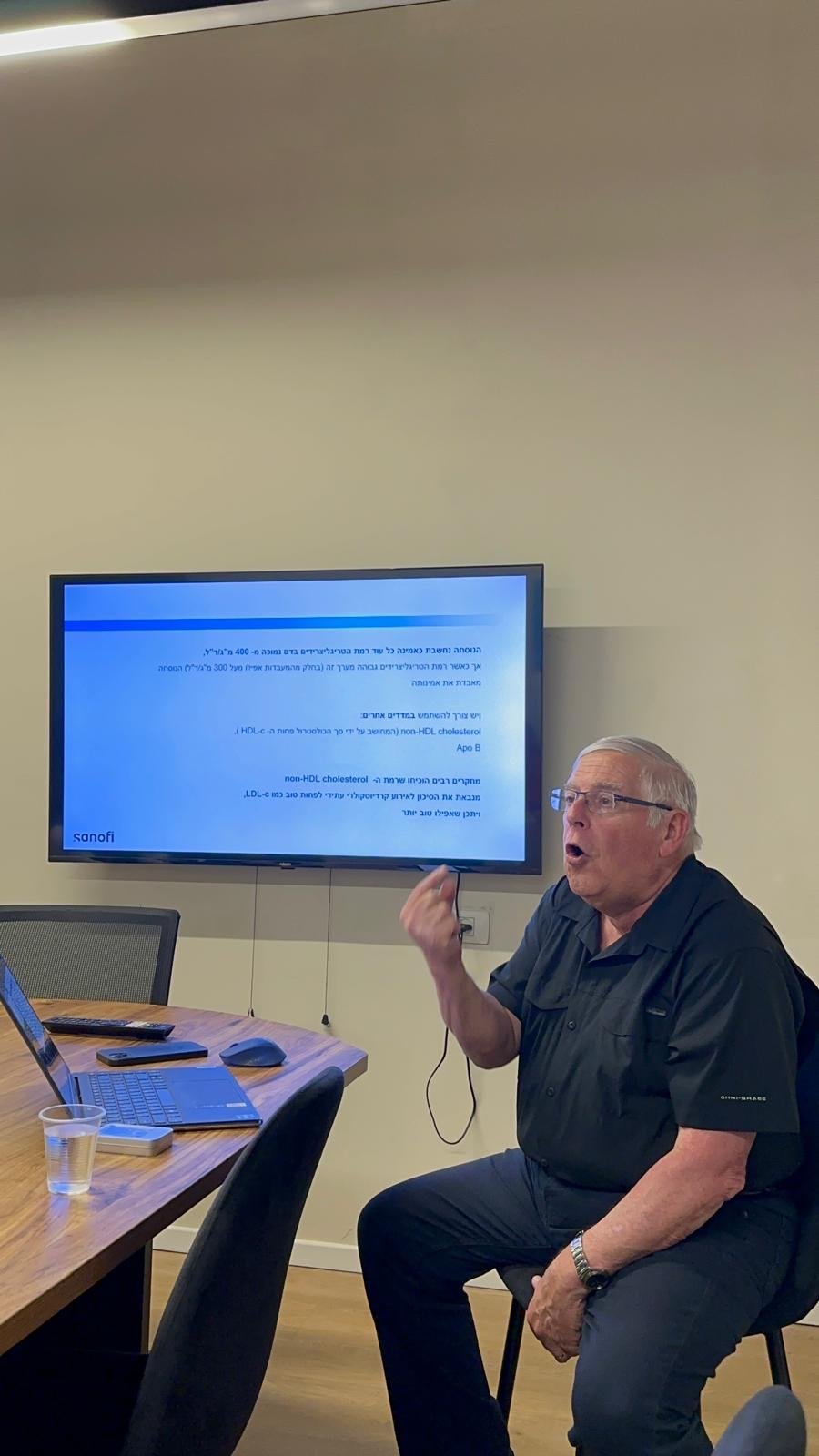
Read the summary and view photosClose meeting summaryAs part of Mazor Grand Rounds, the Mazor team hosted Prof. Avishay Elis, a specialist in internal medicine and Director of Internal Medicine C at Beilinson Hospital, for a meeting on the challenges of caring for patients with complex conditions. Prof. Elis, a Clinical Associate Professor at Tel Aviv University and Chair of the Israel Society of Internal Medicine, brought extensive clinical and leadership experience, together with his work in metabolic disease, lipid disorders and atherosclerosis.
Multiple conditions, one clinical picture
The discussion focused on multimorbidity: situations in which conditions such as heart failure, kidney disease and diabetes coexist and influence one another. We explored the need to consider the patient’s overall health, prioritize treatment goals and coordinate recommendations from different specialties. We also discussed polypharmacy, including the challenges of reviewing whether each medication remains necessary, identifying interactions and adverse effects, and adapting the treatment plan to the individual’s condition and needs.
Continuity of care beyond discharge
A central part of the meeting addressed the transition from the internal medicine ward to community care. We discussed clear communication with the treating physician, medication reconciliation, planning follow-up and explaining the next steps to patients and their families. The conversation connected decisions made during hospitalization with the ability to put them into practice at home, recognize changes in health promptly and reduce the risk of readmission.
Innovation at the bedside
We then explored advanced monitoring and diagnostic tools in hospital practice, including point-of-care ultrasound (POCUS). We discussed their potential contribution to clinical assessment and the importance of interpreting findings alongside the patient’s history, physical examination and overall condition. Our discussion of personalized medicine emphasized tailoring care to the patient’s characteristics, underlying conditions, functional abilities and preferences.
For the Mazor team, the meeting reinforced the importance of a broad, continuous view of the care journey: understanding how medical problems relate to one another, focusing questions before a consultation and helping families navigate between healthcare professionals. This knowledge supports informed guidance and attentive care at times when the clinical picture is especially complex.
From the meeting
Select a photo to view it in full.
Rabbi Dov Popper
Genetic Counselor at Hadassah and Rabbinic Advisor at the PUAH Institute
Understanding genetic information, supporting the family
Read the summary and view photosClose meeting summary
Rabbi Dov Popper
Genetic Counselor at Hadassah and Rabbinic Advisor at the PUAH Institute
Understanding genetic information, supporting the family
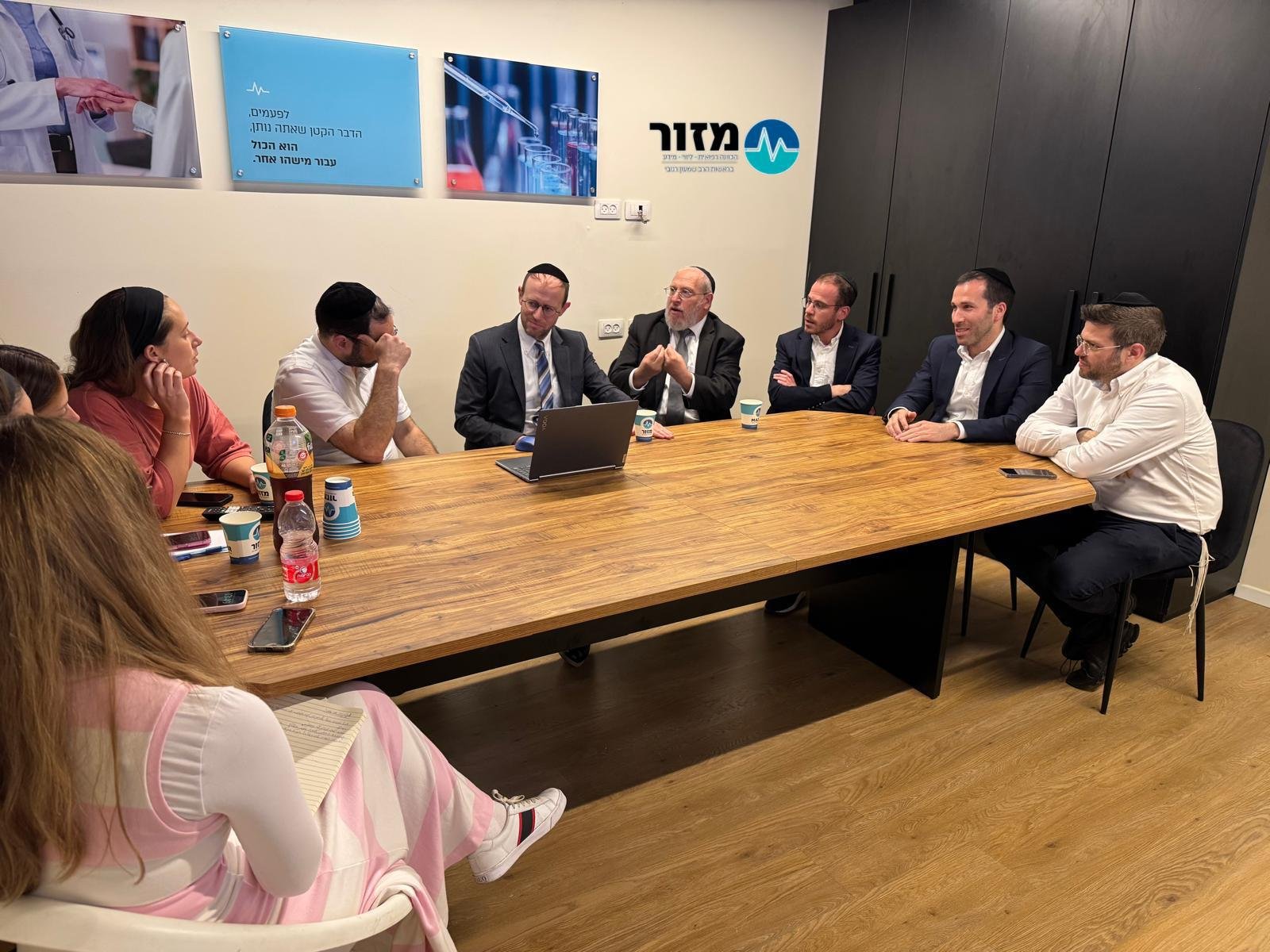
Read the summary and view photosClose meeting summaryAs part of Mazor Grand Rounds, the Mazor team hosted Rabbi Dov Popper, a genetic counselor at Hadassah Medical Center and a rabbinic advisor and halachic authority at the PUAH Institute, for a meeting on the role of genetic counseling throughout life. Rabbi Popper holds a master’s degree in biomedical sciences from the Hebrew University and has trained in genetic counseling. His work spans genetics, fertility and pregnancy, and he lectures on medicine and Jewish law. He combines professional understanding of medical information with support for couples and families facing sensitive, complex questions.
Family history and inherited risk
The discussion centered on when a family’s medical history may warrant genetic evaluation. We explored inherited changes that increase the risk of disease, including certain forms of breast, ovarian and colorectal cancer. We discussed what it means to carry a genetic variant associated with increased risk, which does not necessarily mean that a person has the disease, and how results may help guide monitoring, risk-reduction options and, in some cases, treatment choices. We also clarified the distinction between testing for an inherited predisposition and testing genetic changes within a tumor, which may help inform cancer treatment.
Genetic information before and during pregnancy
Another part of the meeting covered genetic screening before pregnancy, intended to identify an increased risk of inherited conditions in children. We discussed the role of genetic counseling when prenatal tests reveal an unusual finding, and the importance of explaining clearly what is known, what remains uncertain and which further investigations are available to the couple. We also explored preimplantation genetic testing (PGT) during IVF, before embryos are transferred to the uterus, and its use in appropriate cases to test for a known inherited condition in the family.
Looking for an explanation in complex cases
We discussed advanced tests, such as chromosomal microarray analysis and exome or genome sequencing, in the investigation of rare diseases, developmental delays and symptoms with no clear explanation. The discussion addressed choosing an appropriate test and interpreting its results in the medical and family context. We emphasized that not every finding provides a definitive answer; further investigation may be needed, and interpretations may change as new knowledge becomes available.
Using genetic information to guide medication choices
We then explored pharmacogenetics, the study of how genetic differences affect responses to medicines. We discussed situations in which this information may help a physician select a medication or dose and assess the risk of adverse effects. The conversation emphasized that genetic information is one part of decision-making, considered alongside the patient’s condition, other medications and additional clinical information.
Behind every result is a family
Alongside the medical aspects, we considered what a genetic finding may mean for relatives, who might benefit from further evaluation and how to protect the privacy of genetic information. We also discussed personal and halachic decisions, with respect for patients’ beliefs, wishes and circumstances. For the Mazor team, the meeting strengthened its ability to focus questions before a consultation, direct families to the appropriate professionals and offer sensitive support throughout the investigation.
From the meeting
Select a photo to view it in full.
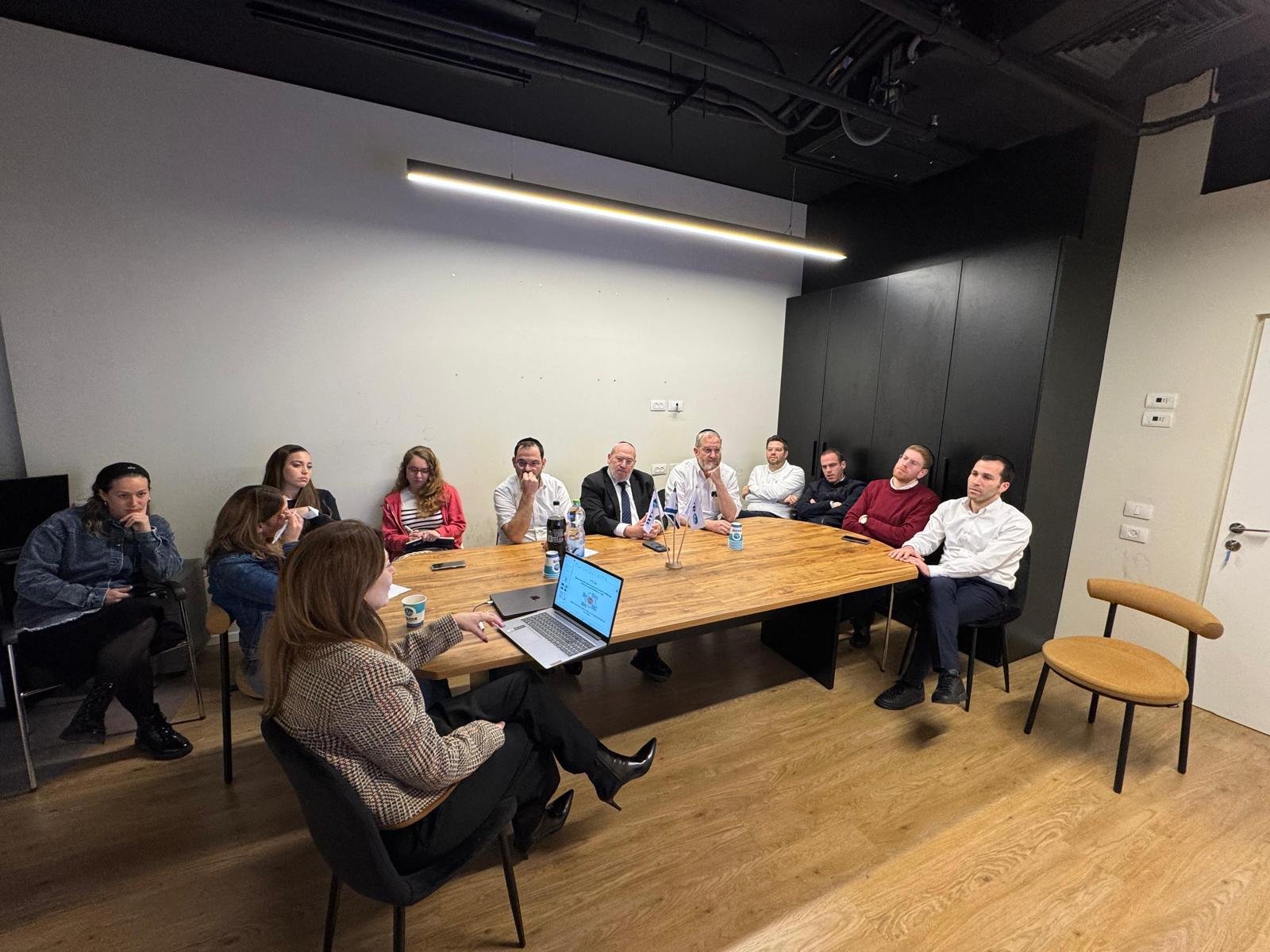
Dr. Karin Arish
Specialist in Anesthesiology and Pain Medicine, Herzliya Medical Center and Assuta
Understanding pain, refining guidance
Read the summary and view photosClose meeting summary
Dr. Karin Arish
Specialist in Anesthesiology and Pain Medicine, Herzliya Medical Center and Assuta
Understanding pain, refining guidance
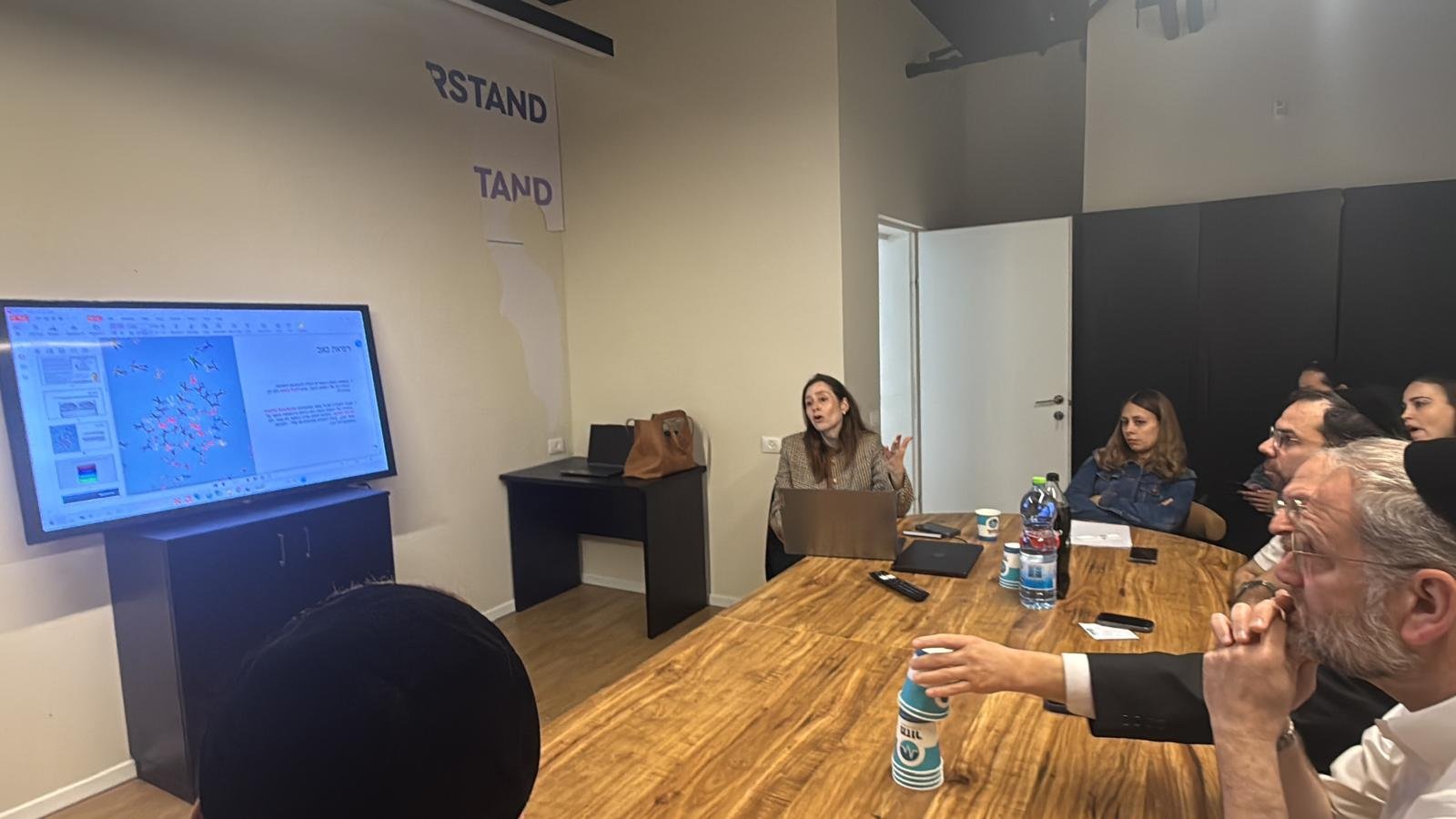
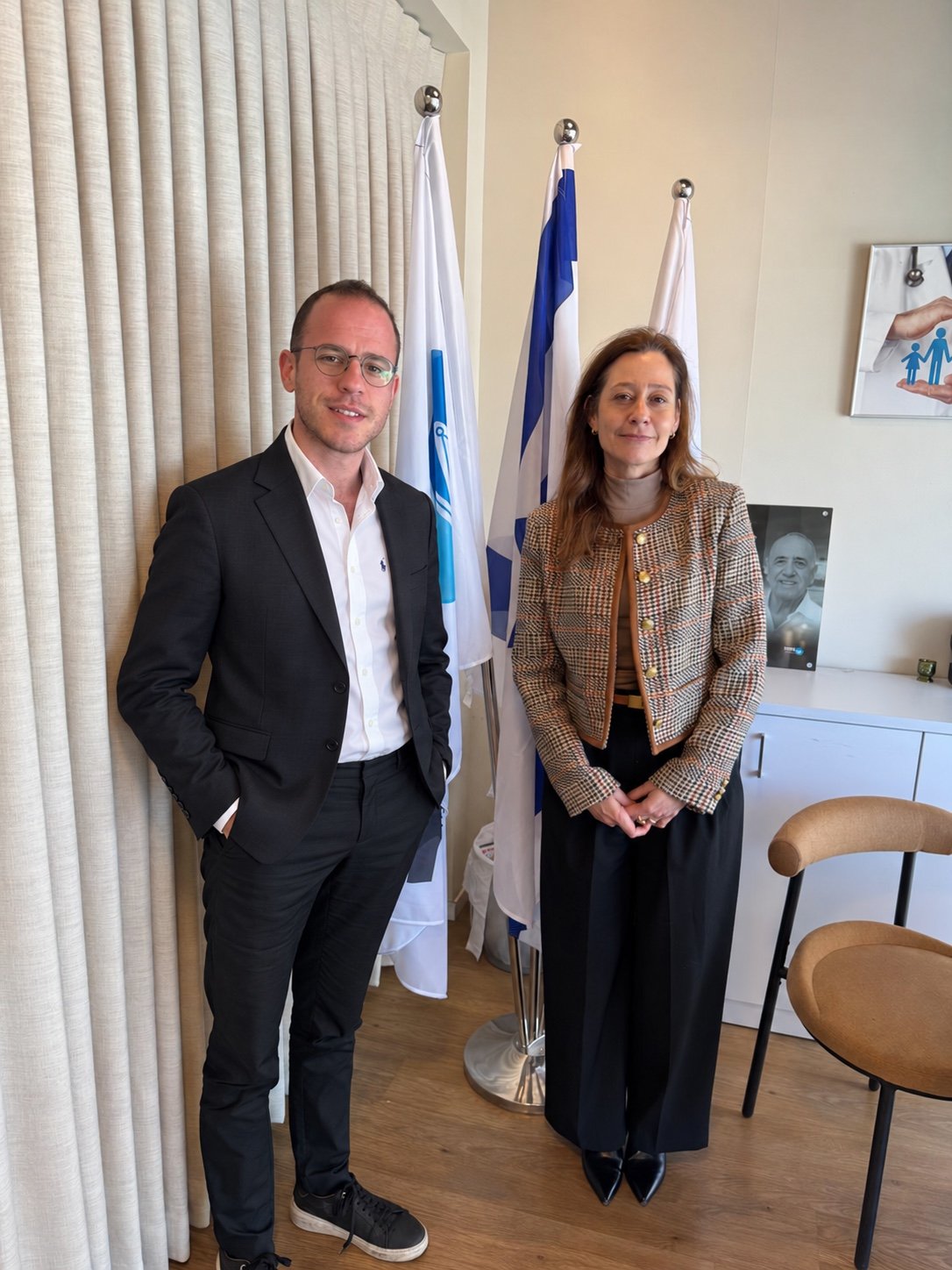
Read the summary and view photosClose meeting summaryAs part of Mazor Grand Rounds, the Mazor team hosted Dr. Karin Arish, a specialist in anesthesiology and pain medicine at Herzliya Medical Center and Assuta, for a meeting on pain mechanisms, differential diagnosis and advanced treatment approaches. Dr. Arish, formerly Head of the Pain Unit at Hadassah Mount Scopus and founder of the Pain Relief Unit at Assuta Ashdod, brought her clinical experience in managing complex pain conditions.
Understanding the mechanisms behind pain
The discussion began with the physiology and pathophysiology of pain: how pain signals arise and are transmitted, how they are processed in the nervous system and what may change when pain becomes persistent. This provided the foundation for distinguishing nociceptive pain, which arises from actual or threatened damage to non-neural tissue; neuropathic pain, caused by a lesion or disease of the somatosensory nervous system; and nociplastic pain, associated with altered pain processing without clear evidence of tissue damage or a nerve lesion that explains it. Distinguishing these mechanisms, which may coexist in the same patient, helps clinicians understand the condition and select a treatment approach.
Advanced approaches to pain management
The meeting then explored developments in neuromodulation, particularly electrical stimulation of the spinal cord using spinal cord stimulation systems. We also discussed ablation techniques, including radiofrequency ablation, and their role in suitable pain conditions. Understanding these options connects knowledge of pain mechanisms with practical clinical questions: who may benefit from each approach, what its limitations are and how it fits into an individualized treatment plan.
From professional learning to patient support
Throughout the meeting, the shared goal remained to ease patients’ suffering and help improve their function and quality of life. For Mazor’s advisors, a deeper understanding of pain medicine helps clarify the care a patient has already received, focus questions before a consultation and guide the patient to the appropriate specialist. It brings professional learning together with attentive, consistent support for patients and their families.
From the meeting
Select a photo to view it in full.